
Samsung and POSTECH put switchable 2D to 3D display research in Nature
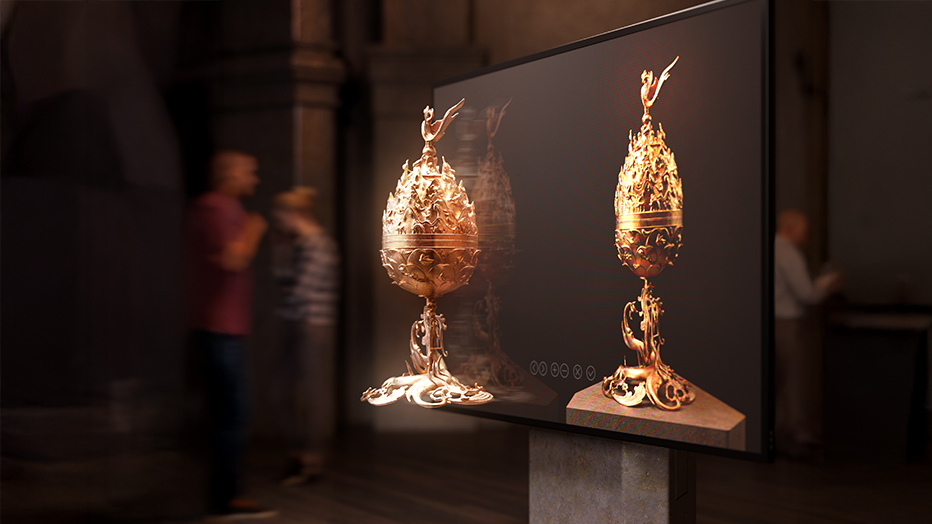
Samsung and POSTECH have published a Nature paper on a voltage-controlled metasurface display that can switch between high-resolution 2D viewing and glasses-free 3D, with Samsung saying the prototype reaches a 1.2 mm profile and up to a 100 degree viewing angle.
# Samsung and POSTECH put switchable 2D to 3D display research in Nature
## Opening summary
Samsung Electronics and POSTECH have published a Nature paper on a switchable 2D to 3D display design that uses a metasurface lenticular lens to move between flat viewing and glasses-free stereoscopic output. The significance is less about an immediate product and more about the project clearing a stronger research bar with a design Samsung says could shrink bulk while widening usable viewing angles.
## Main article
In Samsung’s description, the system uses voltage control to switch the metalens behavior depending on viewing mode. For 2D tasks like reading or browsing, the optics let light pass through in a way that behaves more like a flat display. For 3D content, the lens configuration changes to create stereoscopic depth across multiple viewing positions.
The company says the prototype reaches an ultra-thin 1.2 millimeter profile and supports viewing angles up to 100 degrees, a major jump from the much narrower angles commonly associated with older lenticular-style 3D approaches. Nature’s abstract describes the work as a full-color 2D to 3D switchable light-field display powered by a metasurface lenticular lens and positions it as promising for consumer and commercial display technologies.
That combination matters because glasses-free 3D has repeatedly stumbled on the same set of tradeoffs: bulky optics, narrow sweet spots, reduced resolution, or systems that feel more like demos than practical displays. Samsung’s writeup explicitly pitches the paper as an attempt to reduce those compromises through nanoscale optical design rather than simply tuning older hardware patterns.
It is still early. Samsung frames the result as a step closer to commercialization, not a launch timeline. But publication in Nature gives the work a clearer milestone and makes the story more concrete than a generic future-tech teaser.
## Why it matters
This story matters because display companies keep searching for a credible glasses-free 3D path that does not sacrifice too much 2D usability. If Samsung and POSTECH can make switchable 2D and 3D displays thinner and easier to view from more angles, that could eventually matter for phones, tablets, commercial signage, and other screens where old 3D approaches felt too awkward to stick.
## Source notes
- Verified against Samsung Global Newsroom, which names the paper, describes the metasurface lenticular lens approach, and attributes the prototype measurements to the research team. - Verified against the Nature article page, which confirms the paper title and describes the work as a full-color 2D to 3D switchable light-field display based on a metasurface lenticular lens. - The article avoids implying a product launch, consumer release window, or guaranteed commercialization.
SEO keyphrases: Samsung POSTECH 2D 3D display Nature, metasurface lenticular lens Samsung, glasses-free 3D display research
Join the conversation