OpenAI adds C2PA conformance, SynthID watermarking, and a public verify tool for AI images
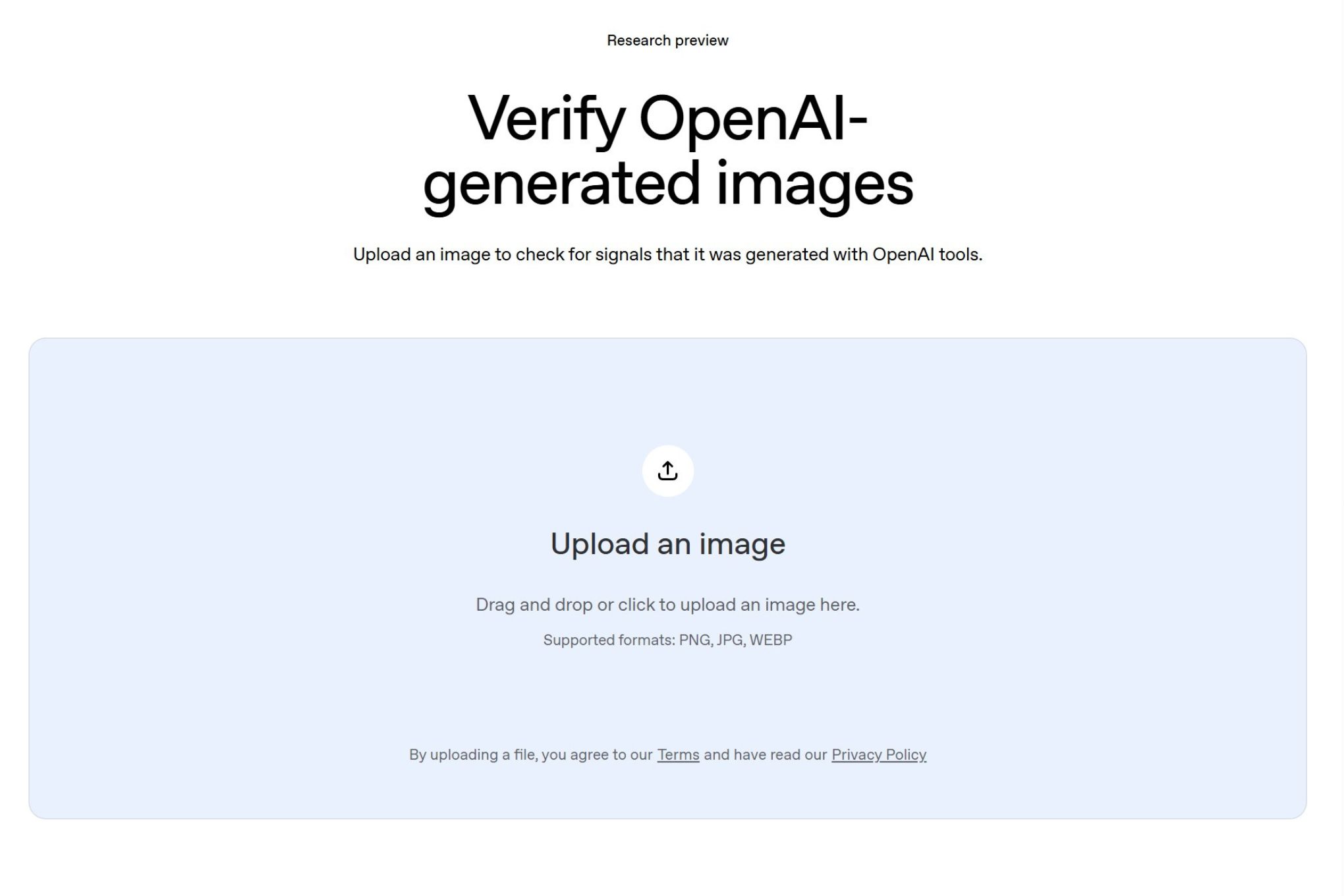
OpenAI says images generated through ChatGPT, Codex, and the OpenAI API will now carry both C2PA provenance data and Google DeepMind’s SynthID watermarking, alongside a new public verification portal for checking those signals.
# OpenAI adds C2PA conformance, SynthID watermarking, and a public verify tool for AI images
## Opening summary
OpenAI is tightening how it labels AI-generated images by layering together three separate pieces: formal C2PA conformance, Google DeepMind’s SynthID watermarking, and a new public verification portal. The company says the update applies to images generated through ChatGPT, Codex, and the OpenAI API, giving people and platforms more ways to check whether an image originated from OpenAI tools.
## Main article
The core change is that OpenAI is no longer treating provenance metadata as enough on its own. The company says it has become a C2PA Conforming Generator Product, which should make its Content Credentials easier for other systems to recognize and preserve. At the same time, it is adding SynthID watermarking to generated images so a second signal can survive in cases where metadata gets stripped during uploads, downloads, screenshots, or other transformations.
OpenAI is also previewing a public tool at openai.com/verify that lets people upload an image and check whether the system detects C2PA metadata, a SynthID watermark, or neither. At launch, the checker is limited to media generated by OpenAI tools, and the company says it will not make a definitive negative claim when no signal is found because provenance data can be lost in normal handling.
That limitation is important, because AI provenance still breaks down in the real world. Metadata can disappear when files move across platforms, and watermarking is only useful if it is actually embedded in the first place. The Verge notes that OpenAI has been attaching C2PA data to some generated media for a while, but that alone has not been enough to make deepfakes consistently easy to identify once they spread beyond the source platform.
What makes this launch more meaningful than a standards-only pledge is the combination of interoperability and a public interface. OpenAI is tying together the industry’s most recognizable metadata standard, a more durable watermarking layer from Google, and a consumer-facing verification page that turns those invisible signals into something a normal user can inspect. That does not solve provenance for the whole internet, but it is a more concrete step than simply promising better labels.
## Why it matters
AI labeling systems only matter if the signals survive and people can actually check them. By combining C2PA, SynthID, and a public verification portal, OpenAI is testing a more practical path for AI-image provenance — even if the company is careful not to oversell it as foolproof detection.
## Source notes
- OpenAI says the launch covers images generated by ChatGPT, Codex, and the OpenAI API. - The public verify tool checks for C2PA metadata and SynthID signals but is initially limited to OpenAI-generated images. - The Verge independently highlighted that metadata alone has often been too fragile to reliably identify AI media once it spreads online.
SEO keyphrases: OpenAI Verify, C2PA conformance, SynthID watermarking
Join the conversation