
Israel-Lebanon tensions show how fast command messages can lose control
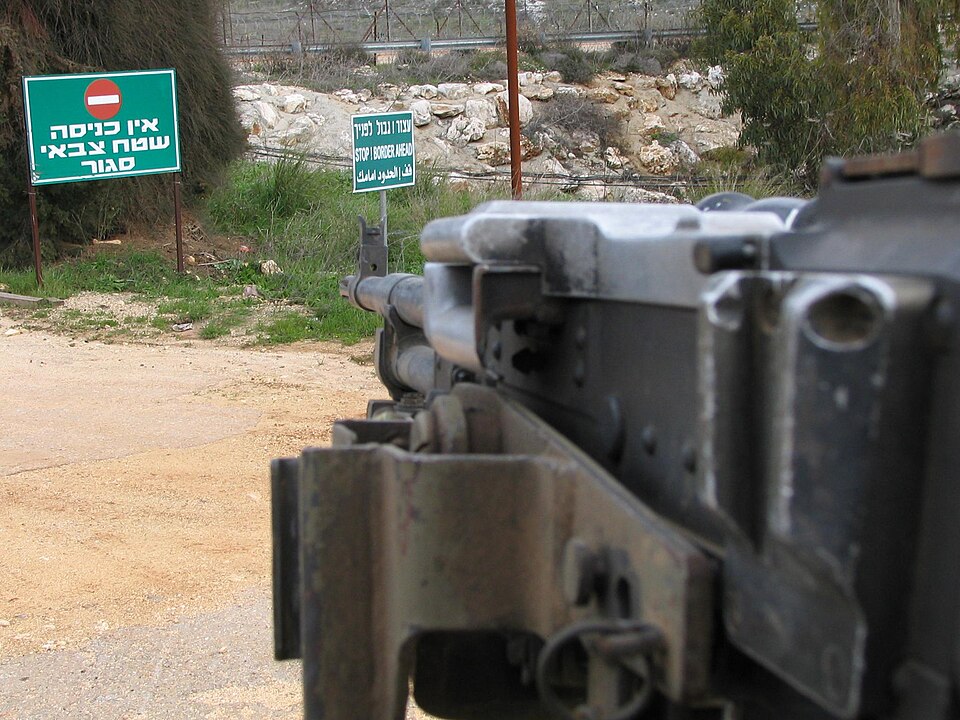
Reported Israeli strikes in Lebanon after a public warning from Trump underscore how little command discipline outsiders should assume in a fast-moving regional confrontation.
The latest Israel-Lebanon flashpoint is a reminder that even highly visible political pressure does not always translate into immediate tactical restraint. In conflict zones, command messaging and field behavior can separate quickly.
That gap matters because observers often mistake public warnings for real control. The harder truth is that once multiple actors are operating under pressure, escalation can continue even while leaders talk about limits.
The practical consequence is a wider uncertainty band across the region. Civilian safety, diplomatic signaling, and commercial confidence all suffer when outside audiences cannot tell whether orders are holding.
For GCATS readers, this is another case where the operational story matters more than the headline drama. If deterrence messages are not landing in real time, then the risk of spillover remains higher than political language suggests.
SEO keyphrases: Israel Lebanon tensions, regional escalation risk, Trump warning conflict
Join the conversation